
Ultimate Guide to Demolition Service Equipment and Tools
Get insights into the most versatile and reliable machinery needed to execute demolition projects effectively.
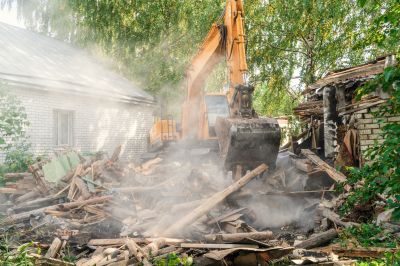 Demolition services in Navarre, FL, require a diverse array of tools and equipment to safely and efficiently carry out projects ranging from small interior demolitions to large-scale structural removals. Selecting the right products is essential for achieving effective results while maintaining safety standards. Whether working on residential, commercial, or industrial sites, having access to high-quality demolition tools can facilitate the process and help contractors meet project timelines.
Top Overall Option
Heavy-Duty Demolition Hammer
A versatile demolition hammer provides powerful impact force for breaking through concrete, masonry, and other hard materials. Its robust construction and ergonomic design help reduce user fatigue during extended use, making it a valuable addition to any demolition toolkit. Suitable for both professional contractors and serious DIYers, this tool can handle a variety of demolition tasks with precision and reliability.
Types of Products For Demolition Service
Handheld Sledgehammers
Ideal for breaking up small to medium materials, these tools provide controlled impact for demolition tasks involving wood, drywall, and light masonry.
Rotary Hammer Drills
Designed for drilling and chipping into concrete and stone, these power tools combine rotation and impact for efficient material removal.
Concrete Breakers
Heavy-duty machines used to fracture concrete slabs and foundations, suitable for large-scale demolition projects.
Demolition Saw
Portable saws equipped with diamond blades to cut through concrete, metal, and other tough materials with precision.
Hydraulic Excavators
Large machinery equipped with various attachments for lifting, breaking, and removing debris in extensive demolition sites.
Skid Steer Loaders
Versatile compact equipment that can be fitted with a variety of attachments to assist in demolition and debris removal.
Jackhammers
Portable pneumatic tools used for breaking up concrete, asphalt, and other hard surfaces.
Wrecking Balls
Traditional heavy balls used for structural demolition, often mounted on cranes for large-scale projects.
Dust Extraction Systems
Equipment designed to capture and contain dust generated during demolition to improve site safety and air quality.
Safety Gear
Essential protective equipment including helmets, goggles, gloves, and ear protection to ensure worker safety during demolition.
Debris Containers
Heavy-duty bins and dumpsters for efficient collection and disposal of demolition debris.
Wire and Cable Cutters
Tools for safely cutting through electrical wiring and cables during demolition projects.
Lifting and Rigging Equipment
Accessories such as slings, chains, and hooks used to lift heavy materials safely during structural demolition.
Portable Generators
Reliable power sources for operating electric demolition tools in locations without access to grid power.
Hydraulic Breaker Attachments
Attachments for excavators that convert hydraulic power into impactful blows for breaking tough materials.
Popular Choices
Widely used for light to medium demolition tasks, these tools offer portability and ease of use.
Commonly employed in construction sites, these tools provide powerful impact for breaking concrete and asphalt.
Popular for precise cuts in concrete and masonry, suitable for both demolition and renovation projects.
Attachments like breakers and grapples are frequently used with skid steers for efficient debris removal.
Trending for maintaining cleaner work environments during demolition activities involving dust generation.
Popular for their efficiency in breaking large concrete structures with excavators.
Handheld tools used for cutting metal, conduit, and other materials during demolition tasks.
Essential safety equipment that remains a top choice among demolition crews for protection.
Increasingly popular for directing debris safely from upper levels to ground containers.
Trending for illuminating work areas during nighttime or low-light demolition activities.
Commonly used for breaking through tough materials in various demolition scenarios.
Popular for safely lifting and positioning large demolition components.
Facilitate fast attachment changes for hydraulic tools on demolition equipment.
A comprehensive demolition toolkit often includes a variety of hand tools, power tools, and heavy machinery. These tools are designed to handle different materials such as wood, concrete, and metal, each requiring specific equipment for optimal performance. Proper safety gear and accessories are equally important to protect workers from hazards associated with demolition activities.
When choosing products for demolition services, considerations such as durability, ease of use, and compatibility with other equipment should guide purchasing decisions. Additionally, understanding the scope of the project and the types of materials involved can help determine the most suitable tools. Proper training and adherence to safety protocols are crucial for minimizing risks during demolition operations.
In Navarre, FL, local contractors and DIY enthusiasts alike benefit from a well-curated selection of demolition products. From handheld tools for precision work to large machinery for heavy-duty tasks, the right equipment can make a significant difference in project efficiency and safety. Investing in quality products ensures reliable performance and can contribute to smoother project execution.
Key Buying Considerations
- Assess the scope and scale of your demolition project to determine the appropriate size and power of tools needed.
- Consider material compatibility, ensuring the equipment can handle concrete, metal, wood, or masonry as required.
- Prioritize safety features such as vibration control, ergonomic design, and safety guards to protect users.
- Evaluate the durability and build quality of tools to ensure they withstand demanding demolition environments.
- Check for ease of operation and maintenance, especially if the equipment will be used frequently or for extended periods.
- Determine if the tool is compatible with existing equipment or requires additional accessories or attachments.
- Review power sources, choosing between electric, pneumatic, hydraulic, or gas-powered tools based on site conditions.
- Consider noise levels and vibration emissions to comply with safety standards and reduce operator fatigue.
- Factor in transportation and storage needs, especially for larger machinery or bulk equipment.
- Research vendor support, warranty options, and availability of replacement parts for long-term reliability.
- Compare costs not only in terms of initial purchase but also ongoing maintenance and operational expenses.
- Look into user reviews and expert recommendations to gauge real-world performance and safety considerations.
- Ensure compliance with local safety regulations and standards relevant to demolition activities in Navarre, FL.
- Assess the availability of training resources or technical support from the supplier to maximize equipment efficiency.
- Determine environmental considerations, such as dust and debris containment, to maintain site safety and cleanliness.
This page contains affiliate links. We may earn a commission if you make a purchase through these links, at no additional cost to you.